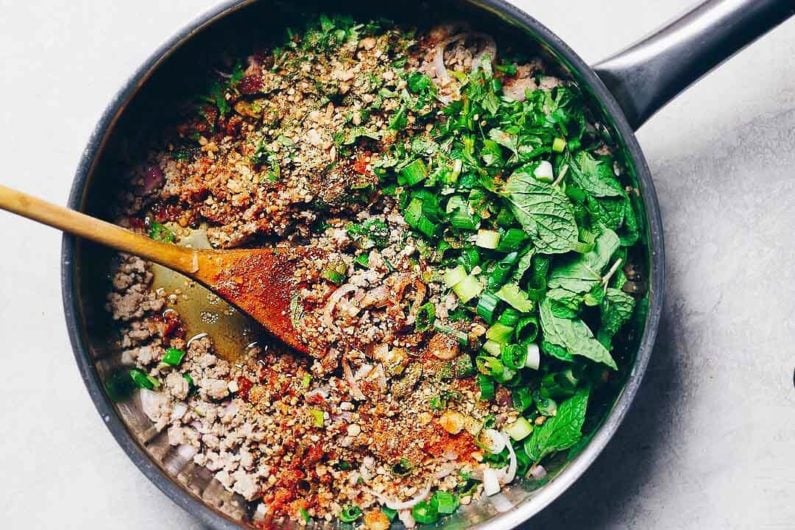
The Essence of Larb Thai Pork Salad: More Than Just a Dish
Larb, specifically Larb Moo (pork larb), is a cornerstone of Thai cuisine, particularly celebrated in the Northeastern (Isaan) region. Far from being just another salad, it's a vibrant symphony of flavors and textures that tantalizes the palate, offering a unique blend of spicy, sour, salty, and savory notes, underpinned by an aromatic freshness. Often referred to as a why larb moo is the ultimate thai pork salad, larb thai pork salad is more than just a meal; it’s a cultural experience, deeply rooted in the culinary traditions of Thailand and Laos.
What sets a truly exceptional larb thai pork salad apart is its meticulous balance of ingredients and the interplay of fundamental flavors. It’s a dish that relies on simplicity but demands precision, transforming humble minced pork and fresh herbs into an exciting, addictive culinary masterpiece. Whether you’re a seasoned Thai food enthusiast or new to its delights, understanding the 'secrets' behind its perfect flavor profile will elevate your home-cooked larb from good to unforgettable.
Unlocking the Core Flavors: Key Ingredients for Authentic Larb
The magic of larb thai pork salad lies in its distinct ingredient list. Each component plays a vital role, contributing to the overall harmony of taste and texture. Compromising on quality or authenticity here means compromising on flavor.
The Stars of the Show: Essential Components
- Minced Pork: While some traditional recipes might use finely chopped pork, good quality ground pork (not too lean, about 80/20) is perfect. The slight fat content adds succulence and carries flavor. You want it finely minced to absorb the dressing fully.
- Toasted Ground Sticky Rice (Khao Khua): This is perhaps the single most crucial ingredient for authentic larb. Khao Khua provides a nutty aroma, a subtle smokiness, and a delightful textural crunch. Without it, your larb won't have that signature earthiness. Making it fresh is a game-changer: simply toast raw sticky rice grains in a dry pan until golden brown and fragrant, then grind them coarsely in a mortar and pestle or spice grinder.
- Fresh Lime Juice: Freshly squeezed, always. Bottled lime juice simply doesn't compare in terms of brightness and authentic sourness.
- Fish Sauce (Nam Pla): A good quality fish sauce is essential for the savory, umami backbone. It provides the salty element and a depth of flavor that defines Thai cuisine.
- Dried Chili Flakes (Prik Pon): These provide the characteristic heat. You can use pre-made chili flakes, but for an extra layer of flavor and aroma, lightly toast whole dried chilies and then grind them yourself. This allows you to control the spice level and enjoy a fresher chili flavor.
- Shallots: Thinly sliced shallots add a pungent sweetness and a crucial crisp texture.
- Mint Leaves: Fresh mint is non-negotiable. Its cooling, aromatic presence provides a beautiful contrast to the spice and richness of the pork. Add it just before serving to maintain its vibrancy.
- Cilantro & Spring Onion: Chopped cilantro (coriander) and spring onions (scallions) add freshness and a subtle herbaceous note.
- Sawtooth Coriander (Pak Chee Farang): This herb offers a more intense, robust coriander flavor than regular cilantro and is a hallmark of authentic Isaan larb. If you can find it, it makes a significant difference.
The Art of Balance: Achieving Perfect Larb Thai Pork Salad Seasoning
The secret to a perfect larb thai pork salad lies in mastering the intricate balance of its primary taste profiles: hot (spicy), sour, salty, and herbaceous. Unlike many Western salads, larb is dynamic and bold, requiring a confident hand and a willingness to taste and adjust.
Mastering the Flavor Profile
- Start with the Pork: Gently cook the minced pork in a dry pan (or with a tiny bit of water/stock) until just cooked through. Break up any clumps as it cooks. Avoid overcooking, as this will make the pork dry and tough. The goal is tender, moist pork that can soak up the dressing.
- The Dressing Base: While the pork is still warm, transfer it to a mixing bowl. This warmth helps the flavors meld. Add the fish sauce, fresh lime juice, and chili flakes. Mix thoroughly. This creates the initial hot-sour-salty base.
- Introduce Khao Khua: Stir in the toasted ground sticky rice. Its coarse texture and nutty aroma will immediately transform the dish. Ensure it’s evenly distributed.
- Add the Aromatics and Herbs: Fold in the sliced shallots, spring onions, sawtooth coriander (if using), and most of the cilantro. Save some cilantro and mint for garnish. Be gentle; you want to incorporate them without bruising the delicate herbs.
- Taste and Adjust: This is the most critical step. Take a small spoonful and assess the flavor.
- Too bland? Add more fish sauce.
- Not sour enough? Add more lime juice.
- Lacking kick? More chili flakes.
- Missing that earthy depth? A little more Khao Khua can often fix this.
Mastering the Technique: Cooking Tips for Sublime Larb
While the ingredients are key, the technique ensures that your larb thai pork salad achieves its full potential. Simple steps can make a big difference in texture and overall appeal.
Practical Tips for Perfection
- Don't Overcook the Pork: The pork should be just cooked through and still moist. Overcooked pork becomes dry and less palatable. You can even undercook it slightly (to medium-rare) if you're confident about your pork source and prefer that texture, though fully cooked is standard.
- Freshness is Paramount: Use the freshest possible herbs and lime juice. Their vibrant flavors are what make larb shine. Old, wilted herbs will mute the dish's brightness.
- Grind Khao Khua Coarsely: Don't grind the sticky rice powder into a fine flour. A coarser grind provides that lovely textural element that’s characteristic of larb.
- Add Herbs Last: Incorporate the fresh herbs (especially mint) at the very end, just before serving. This preserves their delicate texture, vibrant color, and potent aroma. Mixing them too early can bruise them and cause them to lose their freshness.
- Warm Pork for Best Absorption: Mixing the dressing with warm pork allows the flavors to penetrate the meat more effectively, creating a more cohesive and delicious salad.
- Allow Flavors to Mingle (Briefly): While larb is best served fresh, letting it sit for 5-10 minutes before serving allows the flavors to meld beautifully. Avoid letting it sit for too long, as the herbs can wilt.
- Adjust to Your Heat Preference: Don't be afraid to customize the spice level. Start with a moderate amount of chili flakes and add more if you prefer it hotter.
Serving Suggestions and Enjoying Your Perfect Larb
A perfectly prepared larb thai pork salad is a feast for the senses, but its enjoyment is greatly enhanced by how it's served. In Thailand, larb is typically enjoyed as part of a larger meal, alongside other dishes, or as a flavorful appetizer.
Traditional Pairings
The most traditional accompaniment for larb is sticky rice (khao niao). The rice is usually formed into small balls and used to scoop up the spicy, flavorful larb. The stickiness and mildness of the rice perfectly complement the bold flavors of the pork salad.
Fresh vegetables are also an essential part of the larb experience. These often include:
- Crisp cabbage wedges
- Long beans (snake beans)
- Cucumber slices
- Fresh lettuce leaves
- Herbs like basil, more mint, and cilantro
These fresh vegetables offer a refreshing crunch and a cooling counterpoint to the larb's heat and acidity, allowing you to cleanse your palate between bites.
While larb is a complete dish on its own, it also pairs wonderfully with other Thai dishes, forming a balanced meal. Consider serving it alongside a simple grilled fish, a clear Thai soup, or another Isaan specialty. For those who love a cold beverage, a light lager or a refreshing iced tea makes an excellent companion to balance the spice. Truly, this why larb moo is the ultimate thai pork salad, is a dish that invites sharing and savoring.
Conclusion
Crafting the perfect larb thai pork salad is a rewarding culinary journey that delves deep into the heart of Thai Isaan cuisine. By understanding the critical role of each ingredient, from the nutty khao khua to the vibrant fresh herbs, and mastering the art of balancing its distinct flavor profiles, you can recreate this iconic dish with authentic flair at home. Remember the importance of fresh, quality ingredients, the essential technique of tasting and adjusting, and serving it with traditional accompaniments. Embrace the spicy, sour, salty, and aromatic complexity, and you'll unlock the true 'secrets' to a truly unforgettable larb that will transport your taste buds straight to the bustling markets of Thailand.
